What Is Network Marketing? A Plain-English Guide
What is network marketing? How direct sellers earn, what the daily work looks like, honest pros and cons, and how it differs from a pyramid scheme.
Last updated About 14 hours ago
Key takeaways
What is network marketing? It's a way of selling products or services through independent distributors, who earn a commission on what they sell plus a smaller share of what the people they bring in sell. You'll also hear it called direct selling, multi-level marketing (MLM) or relationship marketing.
It's legal when pay comes from products sold to real customers. When pay comes mainly from recruiting, it's a pyramid scheme.
The FTC says most people who join legitimate MLMs make little or no money, and some lose money.
Before you say yes, add up a full year of costs and read the company's income disclosure.
"Hey!! Random, but are you open to something on the side right now?"
It's from someone you haven't really talked to since school. There's a vague "business opportunity", a couple of fire emojis, and a request to hop on a quick call.
So you opened a new tab and googled it. Good move. You want a straight answer: how it works, whether it's legit, and whether anyone actually makes money. Below is how the pay works, the real pros and cons, and the red flags.
What is network marketing?
Network marketing is a business model where a company sells through a network of independent distributors instead of shops or ads. Each distributor is self-employed. They buy products at a discount, sell to customers, and can invite others to do the same.
Quick lingo check. The people you invite, and the people they invite, are your downline. The person who invited you is your upline.
The company pays commissions across that whole network based on its compensation plan. Think of it as the rulebook for who earns what.
And if you're wondering whether "MLM" is something different, it isn't. The US Federal Trade Commission uses "multi-level marketing", "network marketing" and "direct marketing" for the same kind of business (FTC consumer guide).
How does network marketing work?
Every company puts its own spin on it, but the basic setup is pretty similar.
1. You join as a distributor
You sign up with a company, usually by buying a starter kit or placing a first order. In return you get a personal shop link and access to the company's back office. That's where your orders, customers and commissions are tracked.
2. You earn from your own sales
Your first income is the profit or commission on products you sell to customers. Think friends, family, social media followers and their referrals.
Keep this next bit in mind. In a legitimate company, selling alone should be enough to earn money, without recruiting anyone.
3. You earn from your team's sales
If you introduce new distributors, you earn a percentage of their sales, and sometimes of their team's sales several levels deep. That's the "multi-level" part.
Plans vary a lot. Most require you to hit a monthly sales volume before you qualify for team commissions, so read the fine print.
4. What the daily work looks like
Honestly? Day to day, network marketing is mostly conversations. You post content, reply to messages, share product info, follow up with people who showed interest, and help new team members get started.
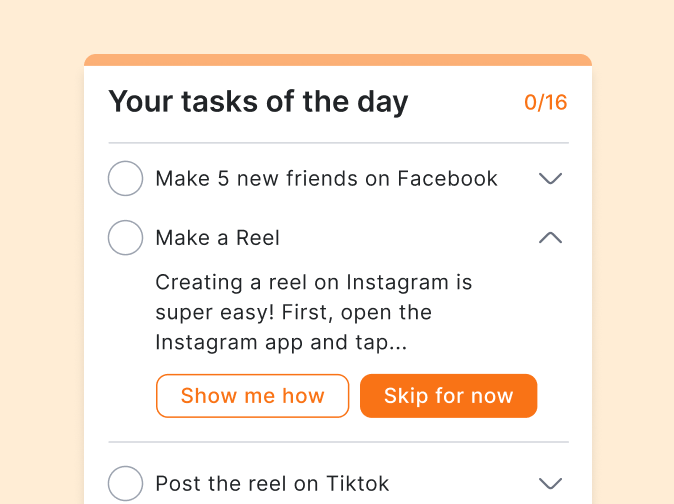
Many leaders call this your DMO (Daily Method of Operation). It's the short list of income-producing actions you repeat every day.
Say someone comments "info?" on your Monday post. You reply, life gets busy, and by Friday you can't remember who it was. That's why the daily list matters.
Is network marketing a pyramid scheme?
No. But some pyramid schemes pretend to be network marketing companies, so it's a fair question.
The difference is where the money comes from. In a legitimate company, pay is driven by products sold to real customers. In a pyramid scheme, pay is driven by recruiting people who pay to join or have to keep buying stock to stay "active".
Here's how the three models stack up side by side.
The FTC's warning signs include big income promises, pressure to recruit rather than sell, high-pressure "act now" tactics, and distributors buying more product than they can use or resell.
Spot any of those in the pitch you got? Walk away. Politely, but walk away.
Network marketing pros and cons
Network marketing suits some people and not others. No sugarcoating.
The upside
It's cheap to get going, at least compared with opening a shop or buying a franchise. And the hours are flexible. Most distributors run it alongside a job or family.
You also pick up skills that travel well. Selling, creating content and leading a team are useful pretty much anywhere.
The downside
Most people earn little, and some lose money once you count the kit, the monthly orders and the events. The income disclosure is the document that shows it.
It can put pressure on relationships. Selling to friends and family can strain things if you push.
It takes months. Results come from consistent daily work, not a few busy weeks.
Our take? If you go in, treat it like a small business with real costs and a slow start.
How to evaluate a network marketing company: 7 checks
Got a company in mind? Ask these before you spend a cent. A vague answer counts as an answer.
Would you buy the product anyway? If not, your customers probably won't either.
Where does the income come from? Ask what share of commissions comes from customers outside the company.
What does a year really cost? Add up the starter kit, monthly minimum orders, events and tools.
Is there an income disclosure? Many companies publish what distributors earn. Read the typical figure, not the top earners.
Can you return unsold products? Get the refund policy in writing.
Is the pitch about products or recruiting? "Find two people who find two people" is a red flag.
Does your upline have a system? Ask exactly what a new distributor does in week one.
What successful network marketers do differently
So what about the people who actually build something? They run a short daily routine instead of waiting for motivation. They follow up consistently, because most interest turns into a sale on a later conversation, not the first.
And they keep things simple enough that a new team member can copy it. Leaders call this duplication.
This is also where most people stall. Follow-ups live in their head. Contacts are spread across WhatsApp, Instagram and a notes app.
And every new recruit starts from zero. That's a rough first week.
How SAGA helps network marketers
SAGA is our app. Worth saying before the feature list. We co-designed it with Frazer Brookes, who built a 300,000+ team in five years, to turn the habits above into a system.
Key features
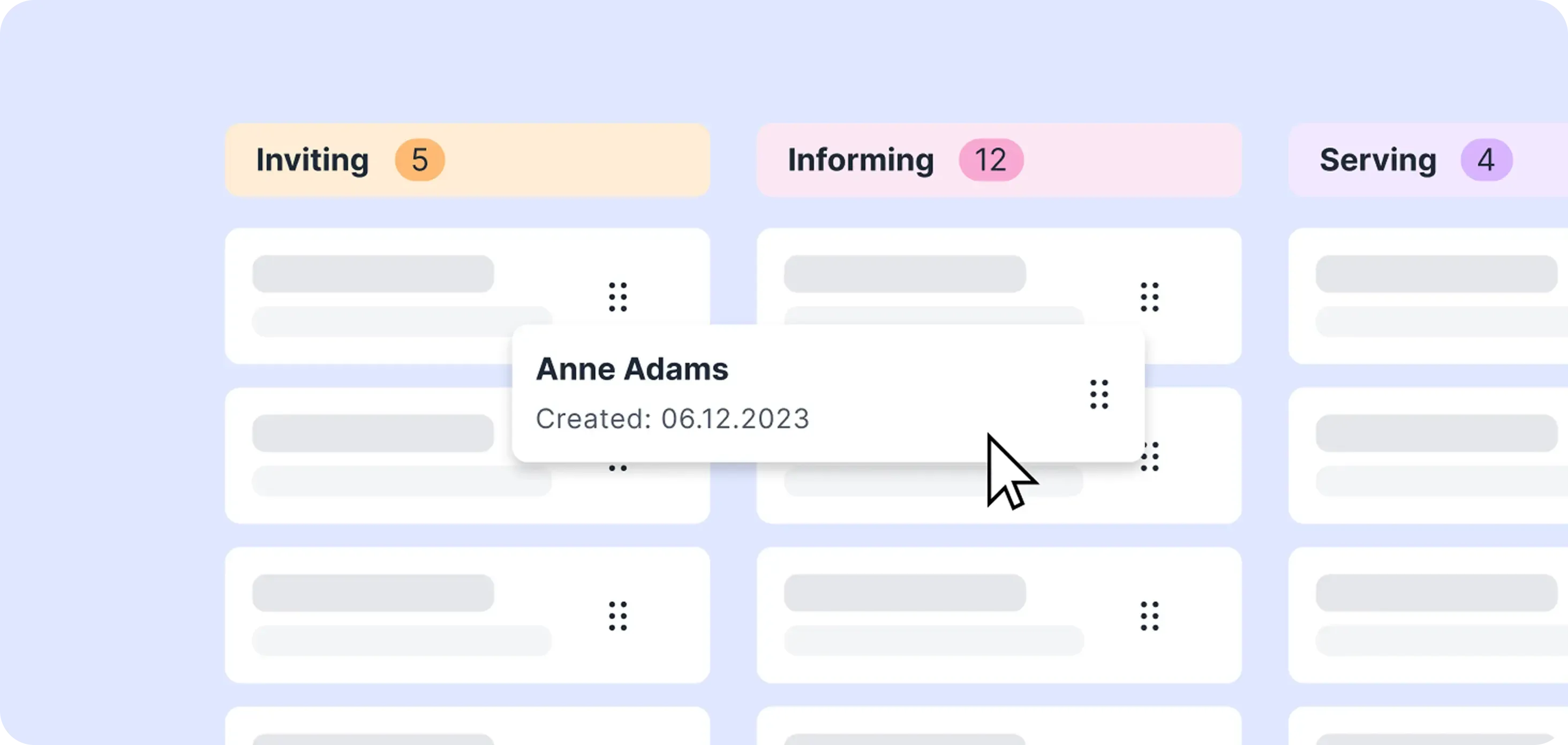
You get a daily plan. Open SAGA and you see today's actions and who to follow up with.
Every contact has a pipeline stage, a full history and a next step, so follow-up doesn't rely on your memory.
Linkmate (a link hub that doubles as a lead-capturing business card), lead magnets and info pages drop new contacts straight into your list.
Leaders set up onboarding, a shared library and challenges once, and the whole team inherits them. Duplication, basically.

Pricing
There's a free plan, and a 7-day trial of the paid features.
Where it falls short
A few things to know. SAGA doesn't replace your company's back office for orders and commissions, so you'll still use that. And there's no way to pause your account, but you can switch to the free plan to keep your data.
WhatsApp broadcasts are on the Pro plan only. There's also no native payment processing.
Frequently asked questions
Is network marketing legal?
Yes, in the US and most other countries, as long as distributors are paid mainly for products sold to real customers. A business that pays mainly for recruiting is an illegal pyramid scheme, whatever it calls itself.
Can you really make money with network marketing?
Some people do, but most don't. The FTC notes that most people who join make little or no money. Read the company's income disclosure, and treat it like a small business that needs months of consistent work.
What is the difference between network marketing and MLM?
In practice, none. Network marketing, MLM and direct selling describe the same model. A lot of people just prefer "network marketing" because "MLM" has a poor reputation.
How much does it cost to start network marketing?
Usually a starter kit or first order, plus any monthly minimum order to stay active. Before you join, add up a full year of costs, including events, training and tools.
Do you have to recruit people in network marketing?
No. In a legitimate company you can earn from selling products alone. Building a team raises your potential income, but if the plan only pays when you recruit, treat that as a warning sign.
How do network marketers find customers?
Mostly through people they know, social media and referrals. The ones who do well use simple lead capture, like a link-in-bio page or a free guide, and follow up consistently.
Conclusion
So, back to that message from your old friend. Network marketing is a real, legal business model. But it's a sales business, and most people who join earn little.
If you're tempted, check the product, the costs and the income disclosure first. Then decide.
Curious about the tools side? Read our guide to network marketing software or what a network marketing CRM does. Leading a team? Take a look at SAGA for Teams, or browse the full feature list.
Already in? Add your contacts, share your first page and let SAGA hand you a daily plan.
Was this helpful?
Still need help? Ask the team